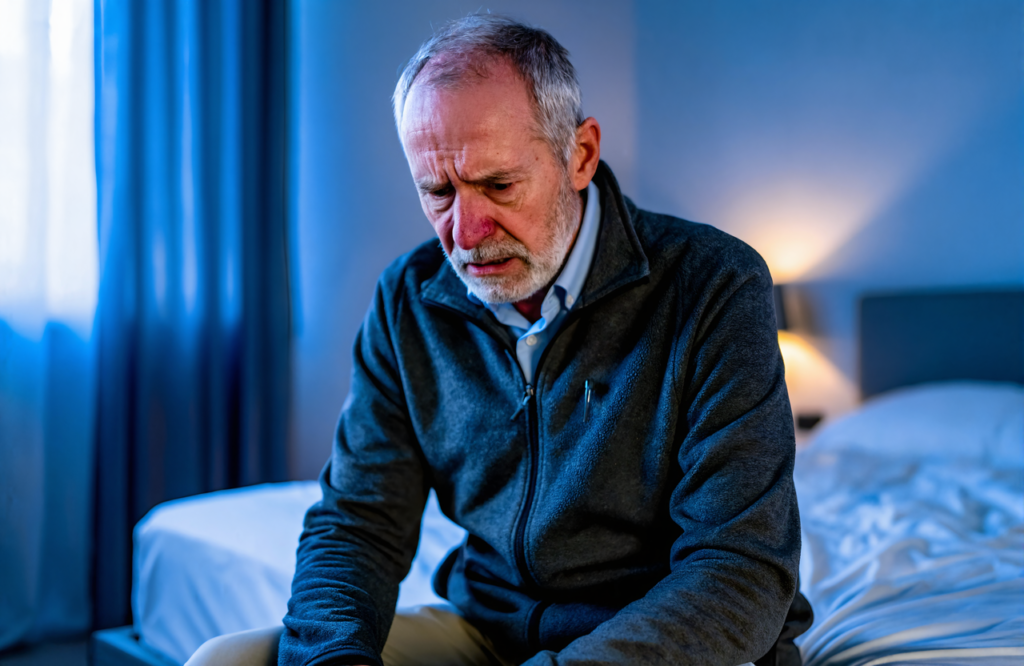
The most common symptoms of RSV in adults are a runny nose, congestion, coughing, sneezing, fever, a smaller appetite, and wheezing, according to the CDC’s guide to RSV symptoms and care. They usually start 4 to 6 days after you’re infected and tend to show up in stages, not all at once. For most healthy adults it feels like a nasty cold. For adults 75 and older, or anyone living with heart or lung disease, it can get serious.
Quick answer: RSV overlaps so much with other respiratory bugs that a test is the reliable way to know what you’ve got, and our Vancleave clinic checks for RSV, flu, strep, and COVID right on site, seven days a week from 7 AM until 7 PM, no appointment needed. One exception to the wait-and-see approach: if you’re struggling to breathe, or your lips and nail beds look bluish, that’s an emergency. Call 911.
- Most RSV infections clear up on their own in a week or two (CDC).
- You’re usually contagious for 3 to 8 days, starting a day or two before you feel sick (CDC).
- Adults 75 and older and adults with chronic heart or lung disease face the highest risk (CDC).
What are the symptoms of RSV in adults?
In a grown-up, RSV usually looks and feels like a cold: runny nose, congestion, decrease in appetite, coughing, sneezing, fever, and wheezing. On its RSV in adults page, the CDC puts it plainly: “When adults get RSV, they typically have mild cold-like symptoms, but some may develop pneumonia (an infection in the lungs).”
That pneumonia risk is what separates RSV from an ordinary sniffle. The CDC’s symptoms and care page also warns that “RSV can worsen underlying lung conditions like chronic obstructive pulmonary disease (COPD) or asthma,” adding that “people with RSV infection and COPD or asthma may need treatment for asthma attacks or COPD flare-ups.” Its adults page adds heart failure to the conditions RSV can make worse. So if you live with asthma, COPD, or a heart condition here in Jackson County, a “cold” that has you reaching for your rescue inhaler more often is worth getting checked.
What does the RSV timeline in adults look like?
Most RSV infections in adults clear up within one to two weeks. The part that catches people off guard is the start, because you can pass RSV along before you notice anything. Here’s the rough order of events, using the CDC’s own numbers.
Are RSV symptoms in adults contagious, and for how long?
Yes. On its page on how RSV spreads, the CDC says people “are usually contagious for 3 to 8 days and may become contagious a day or two before they start showing signs of illness.” It travels through coughs, sneezes, direct contact like kissing a sick child’s face, and touched surfaces, and it “can survive for many hours on hard surfaces, such as tables and crib rails.”
Grandparents, this part’s for you! The CDC notes that kids often pick up RSV at school or childcare and “can then transmit the virus to other household and family members.” During the school year, the little one with the runny nose on your lap is a very common way older adults catch it.
The CDC’s prevention basics are simple: cover coughs and sneezes, wash or sanitize your hands often, clean frequently touched surfaces, and stay home when you’re sick. Its guidance for when you’re sick says you can go back to normal activities once, for at least 24 hours, your symptoms are getting better overall and you’ve gone without a fever, and without fever-reducing medicine.
Is RSV more serious for adults over 60?
It can be, and the risk keeps climbing with age. The CDC says “the risk of severe RSV illness rises with increasing age and if you have certain risk factors.” Each year, an estimated 110,000 to 180,000 adults ages 50 and older in the United States are hospitalized because of RSV, according to the agency. The CDC names these adults as the highest-risk group:
- Adults ages 75 and older
- Adults with chronic heart or lung disease
- Adults with weakened immune systems
- Adults with certain other underlying medical conditions
- Adults living in nursing homes
Vaccination is the prevention piece. The CDC recommends everyone 75 and older get an RSV vaccine, along with adults 50 to 74 who are at increased risk of severe RSV illness. It isn’t a yearly shot, either. If you’ve already had one, the CDC says you don’t need another at this time. Not sure whether you qualify? Ask your healthcare provider.
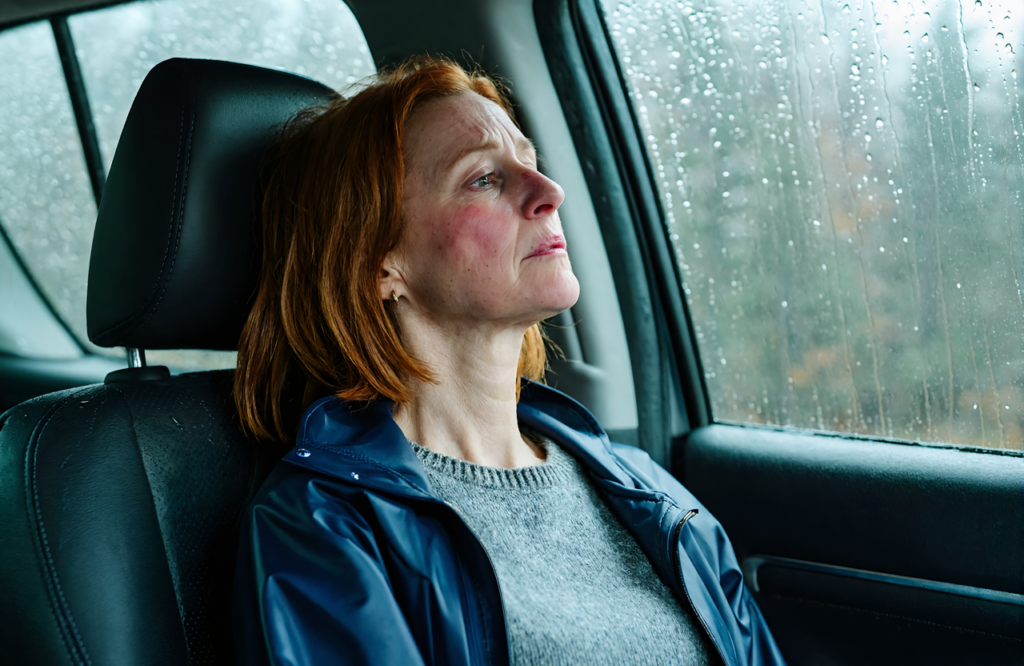
Can urgent care test for RSV?
Yes, and it’s the quickest way to stop guessing. MedlinePlus, from the National Library of Medicine, explains that “many hospitals and clinics can rapidly test for RSV using a sample of fluid taken from the nose with a cotton swab.” At Total Health Urgent Care, RSV is part of our on-site lab testing, along with flu, strep, and mono, plus rapid COVID testing.
Why test if RSV usually runs its course? Because these viruses aren’t all handled the same way. The CDC’s clinical guidance on RSV testing calls RSV symptoms “non-specific,” overlapping with other viral respiratory infections and even some bacterial ones. Flu is where timing really matters: the CDC says flu antiviral drugs “work best when started early, ideally within two days after your flu symptoms begin.” Our post on flu and COVID testing on the Gulf Coast covers those two viruses in more detail.
Paying out of pocket? The self-pay visit fee is $130, and that price already takes in your exam, a referral if you need one, and your provider writing any prescriptions you need. The testing you’ll need differs from person to person, so call our front desk, (228) 283-5045, beforehand and ask about out-of-pocket pricing for your situation. Have coverage? Insured? Most major plans work here, and the clinic handles billing your insurer directly. Our self-pay pricing and insurance page lays it all out.
How is RSV treated in adults?
For most adults, RSV care means easing symptoms while your body clears the virus. The CDC says “antiviral medication is not routinely recommended to fight RSV.” Its advice is to handle fever and aches with over-the-counter fever reducers and pain relievers (the CDC names acetaminophen and ibuprofen) and to drink enough fluids to prevent dehydration.
One caution the CDC aims squarely at older adults and people at higher risk: “Some over-the-counter medications may increase blood pressure or interfere with prescription medicines.” If you take blood pressure pills or several daily prescriptions, ask a provider before grabbing a multi-symptom cold remedy.
When you do need to be seen, it happens under one roof in Vancleave. We have on-site X-rays, lab testing, and IV fluids, and X-rays run $75 if you’re paying yourself. If a cough has settled into your chest, our guide to bronchitis vs. pneumonia explains how those two differ.
Should an adult with RSV head to urgent care or the ER?
Mild cold symptoms can usually be handled at home. The CDC says to call your healthcare provider if you have difficulty breathing, have trouble eating or drinking, feel chest pain or pressure, experience sudden dizziness or confusion, or your symptoms get worse. The American College of Emergency Physicians is more direct on its RSV know-when-to-go page: anyone at risk of severe RSV who has difficulty breathing, a high fever, or a “bluish color to the skin, particularly on the lips and in the nail beds” should seek immediate medical attention or go to the nearest emergency department.
Emergencies can’t wait for a clinic visit. Dial 911.
What makes the best urgent care near Pascagoula during RSV season?
The best urgent care near Pascagoula for a respiratory bug answers “what is this?” in one stop, on the day you actually feel sick. A few things are worth checking before you pick a clinic:
- Testing on site. At Total Health, RSV, flu, strep, and COVID testing happen in our building, so nobody sends you elsewhere for a swab.
- Hours that match real life. We’re open every day, weekends included.
- A price you can see first. Our self-pay prices are posted on the website, not hidden until checkout.
- X-ray and lab in the same place. A chest X-ray doesn’t mean a second trip.
- An experienced, named provider. Total Health’s own Jennifer Duncan, APRN, MSN, FNP-C, started this clinic with more than a quarter century of emergency and urgent care experience behind her.
As Jennifer puts it on our About page, “Illness and injury do not follow a schedule, so we built a practice with the hours and the range of services to match real life on the Mississippi Gulf Coast.” From Pascagoula, it’s roughly 18 miles, around a half-hour in the car, to reach us on Hwy 57 in Vancleave, and Gautier folks have an even shorter trip.
Common questions about RSV in adults
Most RSV infections go away on their own in a week or two, according to the CDC. If your symptoms are getting worse instead of better, or you’re having trouble breathing, eating, or drinking, the CDC says to contact your healthcare provider.
Yes. The CDC says nearly all children get RSV before their second birthday, “however, repeat infections may occur throughout life.” So catching it as a kid doesn’t mean you can’t get it again as an adult.
RSV can make both worse. According to the CDC’s RSV symptoms and care page, people with RSV plus COPD or asthma may need treatment for asthma attacks or COPD flare-ups, and it lists heart failure among the conditions RSV can worsen, too.
The CDC recommends one RSV vaccine for everyone 75 and older and for adults 50 to 74 at increased risk of severe illness. The CDC’s clinical guidance says vaccination has the most benefit when given in late summer or early fall, just before RSV season.
You sure can. Our Hwy 57 clinic takes walk-ins all seven days, and if you’d rather have a set time, you’re welcome to request an appointment instead.
Without insurance, the visit fee at Total Health is $130, covering the exam plus any referral, and the provider writing any prescriptions. Testing varies by patient, so for a precise out-of-pocket number, phone (228) 283-5045 before heading over.
Per the CDC’s respiratory virus guidance, once your symptoms have been improving overall and you’ve been fever-free without fever-reducing medicine for at least 24 hours. The CDC notes you may still be able to spread the virus after that, so keep covering coughs and washing your hands.
Walk-in RSV testing on Hwy 57 in Vancleave
RSV season is lining up again. In most regions of the United States, the CDC says RSV season generally starts during the fall and peaks in the winter. Its 2026-2027 respiratory season outlook, published September 23, 2026, expects “a similar combined number of peak hospitalizations due to COVID-19, influenza, and RSV disease compared to last season.” If a cold is hitting harder than usual, there’s no need to wait it out wondering. Head over to our Hwy 57 clinic (12000 Hwy 57, Vancleave, MS 39565), where the doors open at 7 AM and stay open until 7 PM every day of the week. Stop in when the timing works, or phone (228) 283-5045 with a question first.
Prepared by our Total Health Urgent Care team. Our Vancleave clinic’s founder is Jennifer Duncan, APRN, MSN, FNP-C. Everything here is general information about RSV, not a diagnosis, and no article can replace an in-person exam. Having a medical emergency? Call 911.