
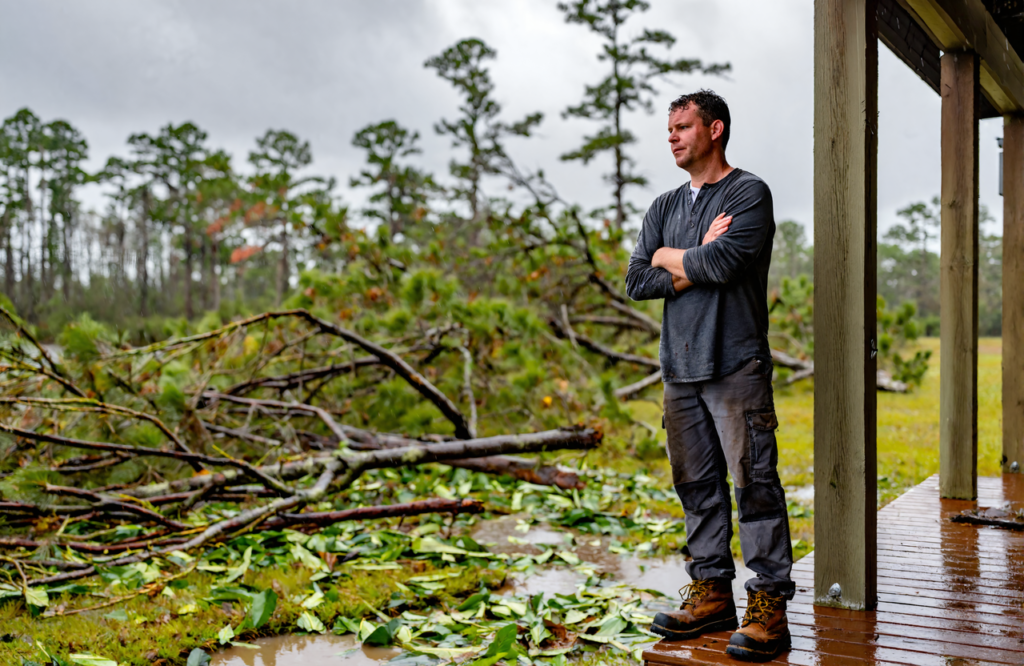
What to do after a hurricane, in short: stay put until local officials say it’s safe to go home, keep out of floodwater, run generators and grills outside only, and wear gloves, sturdy shoes and eye protection for cleanup. Don’t sit on a deep, dirty or puncture wound, either. Get it cleaned and checked, and ask whether a tetanus booster makes sense. For a medical emergency, call 911.
That advice matters this week. As of the National Hurricane Center’s 7 a.m. CDT advisory on Thursday, October 8, 2026, Hurricane Isaias had maximum sustained winds near 80 mph, a Hurricane Warning covered Ocean Springs, MS to the Bay/Gulf County Line in Florida, and landfall was expected along the northern Gulf Coast late Friday or early Saturday. The advisory also said surge could reach 5 to 7 feet above ground somewhere between Ocean Springs and Indian Pass, FL, if the peak hits at high tide. Forecasts shift quickly, so keep checking MEMA, the hurricane center and your local officials.
This guide covers the days after the wind dies down in Vancleave, Moss Point, Gautier, Pascagoula and Ocean Springs: the cleanup injuries to watch for, home care, and when a cut, burn or sprain needs a clinic or the ER.
- Generators go outside, at least 20 feet from the house.
- Puncture or floodwater wound? Ask a provider about tetanus.
- Our regular hours run from 7 AM until 7 PM daily. Questions before you drive over after the storm? Call us at (228) 283-5045.
What should you do once the hurricane has passed?
Stay where you are until officials give the all-clear, then take it slow. The American College of Emergency Physicians’ hurricane page is blunt about it: “Do not return to a hurricane-damaged or flooded home or local area until local authorities tell you it is safe to do so.” Once you’re cleared to go back, work through it in this order:
- Check on people first. Anyone badly hurt, struggling to breathe, or sick and confused near a running generator needs 911 right away.
- Look up and down for power lines. Singing River Electric’s storm center says to “Treat all downed lines as if they are energized, and stay away from them,” and to call 911 or the co-op about downed lines that present a clear and imminent danger.
- Skip flooded roads. ACEP warns that flooding “may have weakened roads and bridges, leaving them in danger of collapse.”
- Don’t walk inside if something smells or looks wrong. ACEP says not to re-enter your home if you smell gas or see damage to electrical wiring, water and sewer systems, the roof or the foundation.
- Gear up before you touch debris. Mississippi’s state health department (MSDH) put out a May 7, 2026 storm-recovery release that tells residents to “wear protective clothing and sturdy shoes to prevent cuts and scratches from debris.”
What are the most common hurricane injuries?
A lot of the harm from a hurricane shows up afterward, during cleanup and recovery. A CDC MMWR report on deaths related to Hurricane Irma in 2017 counted 129 deaths and found 115 of them (89.1%) were indirectly related to the storm, 11 (8.5%) were directly related, and three (2.3%) were possibly related. Carbon monoxide poisoning accounted for 16 of those deaths, preparation or repair injuries for 15, and falls from standing height for 13.
Most cleanup injuries are far less serious than that. This table shows where the common ones belong:
Clinic services in the table come from our urgent care services list. The bleeding and wound signs follow the MedlinePlus cuts and puncture wounds page. The electricity row follows the MedlinePlus electrical injury page. The sting row follows the MedlinePlus insect bites and stings page, and the generator row follows the CPSC generator fact sheet.
How should you clean a cut or puncture wound after a storm?
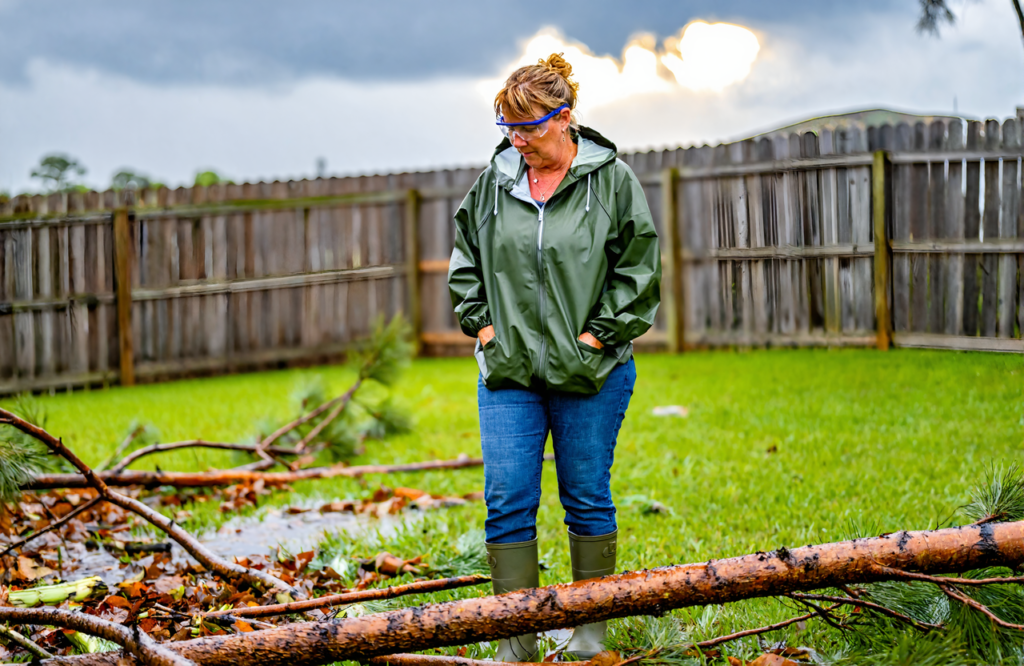
Wash it with soap and clean water, cover it, and keep an eye on it for the next few days. The MSDH page on safety after a storm says cuts exposed to floodwater should be kept “as clean as possible by washing them with soap and clean water,” with antibiotic ointment to cut the risk of infection. The same page says, “If a wound or sore develops redness, swelling or drainage, see a physician.”
Surge water deserves extra caution here on the Coast. The hurricane center’s advisory warns that surge will flood normally dry areas near the coast with “rising waters moving inland from the shoreline.” If you have a cut, the MSDH Vibrio reminder from August 10, 2026 says to “Stay out of brackish or salt water if you have a wound (including cuts and scrapes),” or to cover the wound with a waterproof bandage if contact is possible. That release also noted 29 Vibrio cases reported to MSDH this year, three of them V. vulnificus.
Some wounds shouldn’t wait. MedlinePlus says to contact a provider right away when a wound is large or deep, even if the bleeding isn’t severe. Our clinic closes deeper cuts with stitches or surgical glue.
Will you need a tetanus shot after hurricane cleanup?
You might, and a puncture or floodwater wound is exactly the time to ask. MSDH’s May 2026 storm-recovery release recommends tetanus vaccination if your last one was at least 10 years ago, and adds: “In the event of a puncture wound or wound contaminated with floodwater, individuals should consult a healthcare provider.”
The window is shorter for dirty wounds. The wound-management table in the MSD Manual calls for a booster when the last dose was at least 5 years back, for people with three or more prior doses, after wounds contaminated with dirt or soil, puncture wounds, crush injuries, and burns. Can’t remember your last shot? If your history is unknown, that table says to vaccinate for any wound. Tetanus shots are on our services list, and the visit starts with a look at the injury and your immunization history.
How do you run a generator safely after a hurricane?
Outside only, and well away from the house. The CPSC generator fact sheet says to “operate portable generators outside only, at least 20 feet away from the house, and direct the generator’s exhaust away from the home and other buildings.” CPSC also says more than 80 consumers die each year from carbon monoxide poisoning caused by portable generators. MSDH adds pressure washers, saying not to run them or generators “in enclosed spaces including indoors or in the garage.”
Carbon monoxide is sneaky. MedlinePlus lists the most common symptoms as headache, dizziness, weakness, nausea, vomiting, chest pain and confusion, and warns that “People who are sleeping or intoxicated can die from CO poisoning before they have symptoms.” If you suspect it, MSDH’s storm-recovery release says to open doors and windows, turn off gas appliances and go outside, and in severe cases to call 911 or the Mississippi Poison Control Center at 1-800-222-1222.
How do you treat a burn from a generator, grill or candle?
Cool it with cool running water, not ice. MedlinePlus minor-burn aftercare instructions say to hold the burned skin under cool running water for 10 to 15 minutes until it doesn’t hurt as much, and to leave blisters alone: “Do not break blisters.” The same page says to treat a burn like a major burn and contact a provider if it came from a fire, an electrical wire or socket, or chemicals, if it’s larger than 2 inches, or if it’s on the hand, foot, face, groin, buttocks, hip, knee, ankle, shoulder, elbow or wrist.
Power outages create their own burn risks. A CPSC safety alert on portable generators says, “Before refueling the generator, turn it off and let it cool down. Gasoline spilled on hot engine parts could ignite.” For light, MSDH says battery-powered lanterns and flashlights are preferable to candles. Our clinic treats minor burns with “prescribed treatment and wound care,” with referral if needed.
What should you do after a hurricane in your house?
Dry things out fast, protect your lungs, and be strict about food, water and medicine. The EPA’s mold guide says to “dry water-damaged areas and items within 24-48 hours to prevent mold growth,” and its flood mold cleanup page says to “Wear an N-95 respirator at a minimum, goggles, and protective gloves.”
- Food: the MSDH fact sheet on hurricane recovery says to throw away perishable foods, including meat, poultry, fish, eggs and leftovers, that have been above 40 degrees Fahrenheit for 2 hours or more. Keep refrigerator and freezer doors closed as much as possible while the power is out.
- Water: under a boil-water notice, MSDH says to bring water to a rolling boil for one minute to kill most organisms.
- Medicine: the FDA says medicines that touched floodwater should be thrown away, even in their original containers, except a life-sustaining medicine like insulin that can’t be replaced yet.
- Refills: under Mississippi Code Section 73-21-115, a pharmacist who can’t reach your prescriber may make a one-time emergency dispensing of up to a seventy-two-hour supply, as long as the drug isn’t a controlled substance.
How do you stay safe during storm cleanup?
Pace yourself, cover up, and never run a chainsaw alone. MSDH asks residents to make sure ladders are secure before climbing to the roof or gutters, and its release says of chainsaw work, “If injury occurs, call 9-1-1 or seek immediate medical help.”
Chainsaw safety: the OSHA chainsaw fact sheet lists a hard hat, hearing protection, safety glasses, protective footwear, work pants or chaps, and work gloves. It also says, “Never work alone,” and “Do not cut directly overhead.”
Heat: the National Weather Service’s heat safety tips say to “Drink water often” and to “Rest and cool down in the shade during breaks.” MedlinePlus says to call 911 if someone loses consciousness, becomes confused, has a seizure, or has a fever over 102°F.
Critters: Texas A&M AgriLife says flooding colonies can “form water rafts,” and recommends “Cuffed gloves, rain gear, and rubber boots” when working in floodwater. ACEP’s hurricane page adds, “If you pick through debris, watch for poisonous snakes.”
How do you choose between urgent care and the ER after a hurricane?
Call 911 for anything life-threatening: severe bleeding, trouble breathing, a suspected carbon monoxide exposure, or anyone hurt by electricity. MedlinePlus says to call 911 “if a person has been injured by electricity,” and warns that “While some electrical burns look minor, there may be serious internal damage, especially to the heart, muscles, or brain.”
For everything short of an emergency, you can walk in. Our services page lists laceration repair with stitches or surgical glue, simple wound care, tetanus shots, minor burns, splinting for sprains, simple fractures with on-site X-rays, eye injuries, and infections. Our pricing and insurance page shows a $130 self-pay office visit, with the exam, referrals and prescribing included, plus $75 for a self-pay X-ray. We also take most major insurance plans and bill the company directly.
Storms are hard on the mind, too. The SAMHSA Disaster Distress Helpline takes calls and texts at 1-800-985-5990.
Frequently asked questions
Don’t head home until local authorities say it’s safe, and don’t drive through flooded areas. Don’t run a generator or grill indoors or in a garage, which MSDH warns against. Stay away from downed power lines and treat every one as live.
Not if your water system is under a boil-water notice. MSDH says to bring water to a rolling boil for one minute to kill most organisms, and warns that even a brief loss or big drop in water pressure during flooding can mean contamination.
MSDH’s hurricane recovery fact sheet says to throw away perishable foods, such as meat, poultry, fish, eggs and leftovers, that have been above 40 degrees Fahrenheit for 2 hours or more. Keep the refrigerator and freezer closed as much as you can, and throw away any food that may have touched flood or storm water.
Yes. The FDA says medicines that came into contact with floodwater should be discarded, even in their original containers. The exception is a life-sustaining medicine like insulin, which may be used until a replacement is available.
If you have questions before you head over, call us at (228) 283-5045. Our posted hours are 7 AM to 7 PM, 7 days a week, and walk-ins are welcome.
Getting seen in Vancleave after the storm
If urgent care near me open now is what you’re searching while half the street is still dark, call us first at (228) 283-5045. We’re at 12000 Hwy 57, Vancleave, MS 39565. On a normal day that’s roughly a 21-minute drive from Gautier and about 23 minutes from Ocean Springs. Questions before you come in? Use our contact page, or see our Vancleave walk-in clinic page for what we treat. Stay safe out there, neighbors.
Prepared by the Total Health Urgent Care team; founded by Jennifer Duncan, APRN, MSN, FNP-C. Nothing here replaces an exam, and this guide can’t diagnose an injury. In an emergency, dial 911.